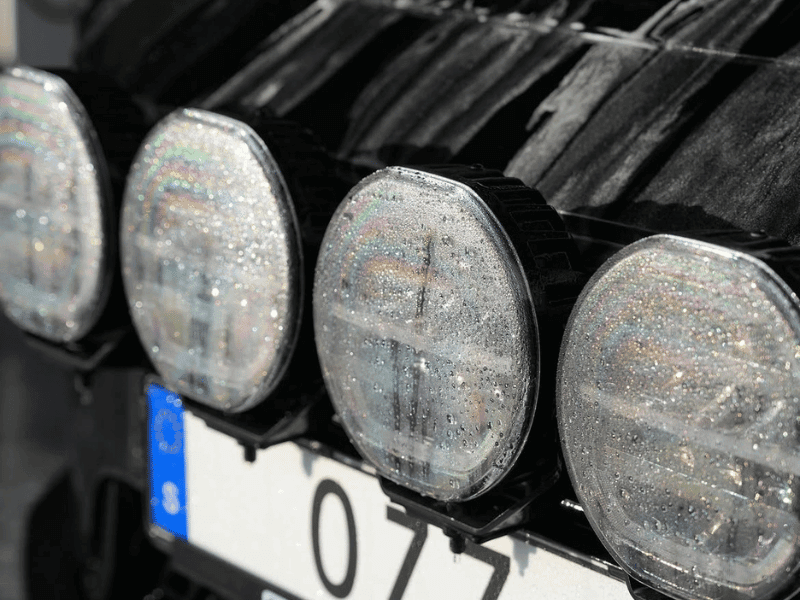
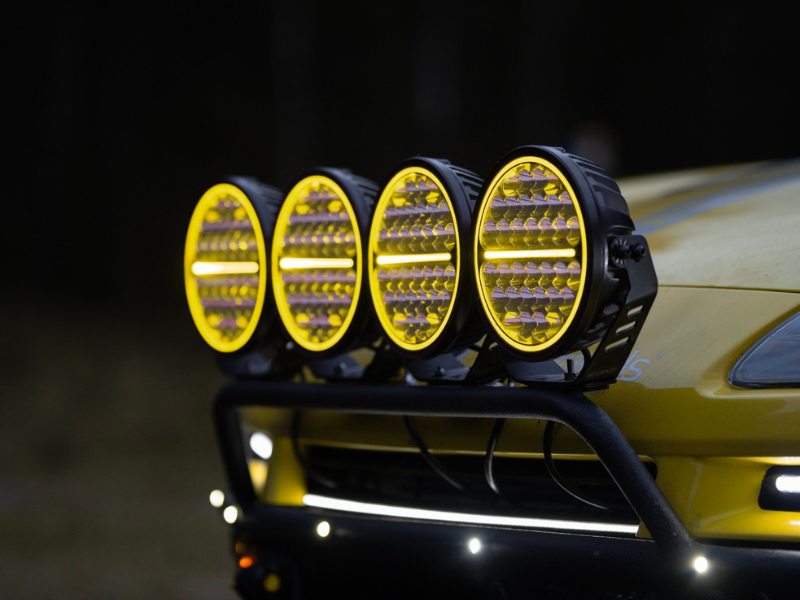
Why is there moisture or condensation in my LED lamp?

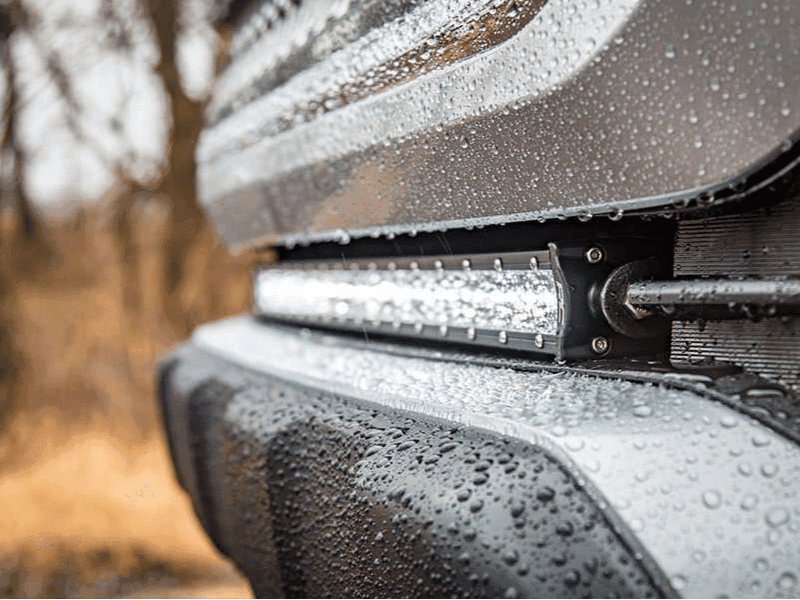
Do you see moisture or condensation on the inside of your LED lamp, LED bar, or work light? Then it might seem as if the lighting is defective. Fortunately, that is not always the case. Due to temperature differences, temporary condensation can occur without affecting the operation of the lamp.
However, in some situations, moisture can indicate a problem. A damaged lens, incorrect mounting, or a defective seal can allow water to enter the lamp. In this blog, we explain when condensation is normal, when you need to take action, and how you can prevent moisture problems.
When is condensation normal?
A small amount of condensation on the inside of an LED lamp is normal in many cases. This is because a lamp is not completely airtight. Due to temperature differences between the inside and outside of the lamp, moist air can temporarily condense on the lens.
This happens, for example, after a cold night, during rainy weather, or when a lamp cools down again after use. In most cases, this condensation disappears by itself as soon as the lamp warms up or the environment becomes drier.
Many LED lamps are therefore equipped with a special ventilation membrane. This ensures that pressure differences inside and outside the lamp are regulated and that moist air can be discharged to the outside. As a result, light condensation may occur temporarily, without this meaning that the lamp is leaking or defective.
Does the condensation disappear after a while? Then there is usually no defect.
When is there actually something wrong?
Does water remain in the lamp or does the amount of moisture continue to increase? Then it is wise to check the lighting carefully.
Especially when condensation does not disappear, clear water droplets are visible, or the lamp functions less well, there may be damage or a defect.
Common causes of moisture in LED lighting
| Temperature differences | Light condensation can be normal and usually disappears by itself. |
| Damaged glass or lens | Moisture can enter through a crack or break. |
| Damaged housing | For example, due to stone chips, a collision, or other damage. |
| Defective seal | A damaged seal can allow water to get inside. |
| Incorrect mounting | A mounting that is tightened too much can cause tension on the housing. |
| Sealed or modified lamp | LED lamps must be able to ventilate to regulate the pressure and moisture balance within the housing. Taping, painting, or modifying the lamp can disrupt this process and cause condensation. |
| High-pressure cleaner | Water can be forced past seals under high pressure if used incorrectly. |
| Production error | Rarely occurs, but cannot be completely ruled out. |
In addition to good protection against moisture, quality and regulations also play an important role in vehicle lighting. Read more about the different ECE markings and regulations for LED lighting.
Is moisture in an LED lamp covered by warranty?
That depends on the cause. Light condensation is considered normal use and is therefore not covered by the warranty. Also, check our warranty terms for more information about warranty, assessment, and handling of a defect.
| Situation | Warranty* |
| Light condensation that disappears by itself | Nee |
| Water remains in the lamp | Possible* |
| Defective seal from the factory | Possible* |
| Damage due to stone chips or a collision | Nee |
| Damage due to incorrect mounting | Nee |
| Damage due to incorrect use of a high-pressure cleaner | Nee |
| Modified lamp (paint layer, foil, etc.) | Nee |
*Every warranty claim is assessed individually based on the cause and the condition of the product.
How do you prevent moisture in an LED lamp?
Moisture problems cannot always be prevented, but with a few simple checks, you reduce the chance of problems.
- Check the lamp regularly for damage.
- After stone chips or a collision, check if the lens and housing are still intact.
- Do not aim a high-pressure cleaner directly at seals or cable entries.
- Mount the lamp according to the mounting instructions and do not over-tighten the fixings.
- Check if cables and connections are well protected against moisture.
- Be careful with modifying or customizing an LED lamp. A lamp is designed to ventilate and keep moisture out in a certain way. By painting the housing, wrapping it, or closing off ventilation openings, this function can be disrupted and condensation can occur.
By checking regularly, you prevent small damages from eventually causing bigger problems.
Does a high IP rating affect condensation?
A high IP rating, such as IP68 or IP69K, means that a lamp is well protected against dust and water from the outside. However, this does not mean that condensation can never occur.
Due to temperature differences, temporary moisture formation can always occur. The IP rating mainly indicates how well the housing is protected against external influences.
Want to know more about the different protection classes? Then read our blog IP ratings explained: what do IP65, IP67, IP68, and IP69K mean?
Our experience
At All Day Led, we regularly receive questions about condensation in LED lighting. In most cases, it involves normal condensation that disappears by itself. However, does water remain in the lamp or is the housing damaged? Then we are happy to take a look with you to find the cause.
Light condensation in an LED lamp is often very normal and usually disappears by itself. Does water remain in the lamp or are you unsure if there is a defect? Then contact our customer service. We are happy to help you further.
Unsure about your LED lighting?
Do you have questions about condensation or moisture in your LED lighting? Feel free to contact us. We will assess the situation and think along with you for the best solution.