ECE Regulations at a glance

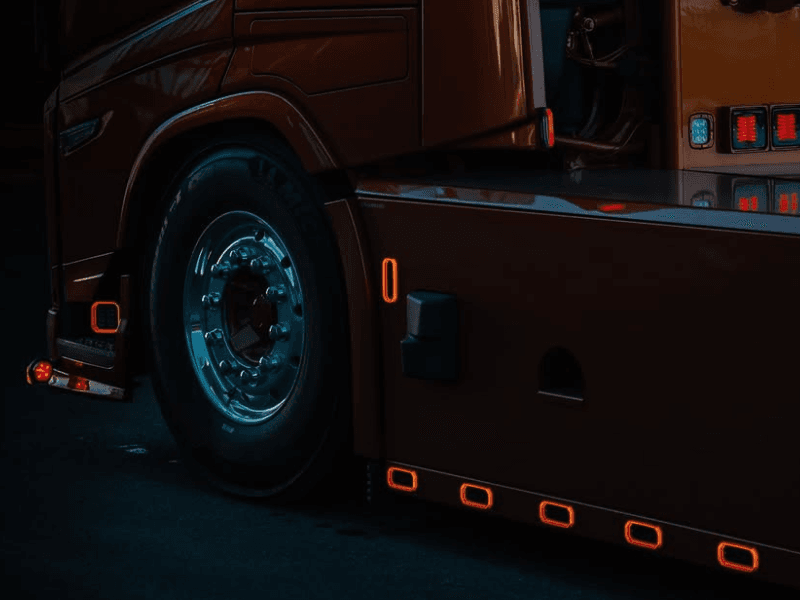
In this blog, you’ll find an overview of the most important quality marks and ECE regulations for vehicle lighting. This allows you to see at a glance which quality marks exist, what they stand for, and when you need them.
Additionally, these rules help you determine which lighting you can use safely and responsibly. This way, you’ll know immediately what your lamp must comply with, which requirements are important, and what you can mount on your vehicle without risk. Even if you don’t know much about it yet, you’ll quickly get a clear picture.
| Quality mark | Description |
| ECE-R3 | Passive reflectors |
| ECE-R4 | License plate lighting |
| ECE-R6 | Indicators |
| ECE-R7 | Rear lighting (tail light, brake light, parking light, position light) |
| ECE-R8 | Halogen headlights |
| ECE-R10 | Electromagnetic compatibility |
| ECE-R23 | Reverse light |
| ECE-R38 | Tail fog light |
| ECE-R65 | Warning lights |
| ECE-R86 | Agricultural vehicles and trailers |
| ECE-R91 | Contour lighting |
| ECE-R112 | Spotlights |
| ECE-R113 | Symmetrical low beam or high beam |
| ECE-R148 | Position lights, brake lights, indicators, tail lights |
| ECE-R149 | Headlights |
| ECE-R150 | Marker lights |
Summary
ECE regulations and quality marks ensure safe and reliable vehicle lighting according to international standards. Each quality mark sets clear requirements for the use, mounting, and performance of lighting on public roads.
By knowing these rules, you can make the right choice faster and prevent using the wrong lighting. This makes it easier to choose a lamp that fits your vehicle and application.
Want to know more? Click through to the detailed explanation for each standard and discover exactly what you should look out for.